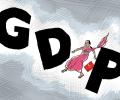
India's GDP is estimated to grow at 7.4 per cent in the financial year 2022-23 with rising prices triggered by the Russia-Ukraine conflict posing as the biggest challenge to the global economic recovery, Ficci's Economic Outlook Survey released on Sunday said. According to the survey, the Reserve Bank of India (RBI) is likely to start a rate hike cycle in the second half of 2022, while a repo rate hike of 50-75 bps is expected by the end of the current fiscal. The RBI is expected to continue supporting the ongoing economic recovery by keeping the repo rate unchanged in its April policy review, the survey said.

The watershed 2014 Indian election has thrown a decisive mandate after 30 years of coalition-based governments.

Prospective buyers must make a well-considered decision regarding whether this is the right time to buy a house, particularly with home loan rates at near-peak levels, and the risk of job losses looming in many sectors.

The Prime Minister's Economic Advisory Council, headed by former Reserve Bank Governor C Rangarajan, had said that it was unlikely that the GDP growth rate would be lower than 6.25 per cent for the current fiscal; buy might reach 6.75 per cent despite the adverse impact of monsoon on farm sector output.

While most economies contracted in the second quarter of 2020, the Chinese economy grew by 3.2 per cent.

This was the near-unanimous replies of 10 market participants.

Foreign flows into Indian equities are expected to pause in the short to medium term, say analysts. The outlook is influenced by multiple factors, including rising oil prices, actions from global central banks, climbing bond yields, and the dollar index gaining prominence. "Valuations appear rich with the markets at record highs.

Service providers' confidence with regard to the 12-month outlook for business activity remained positive.

Report says stressed asset level to peak at 15% in 2014-15.

RBI in wait and watch mode as several risks to inflation continue to exist including a sudden reversal of food prices and oil price volatility.
 © 2026 Rediff.com - Advertise with us - Disclaimer - Privacy Policy - Sitemap - Feedback - About us - Terms of use - Grievances